
The Lincoln Cent is a United States coin having a value of one cent — coin started being made in 1909 and is the longest-running US coin series.
In this series, there are coins standing for much more than their face value, and you can determine the initial price by the best coin identifier app.
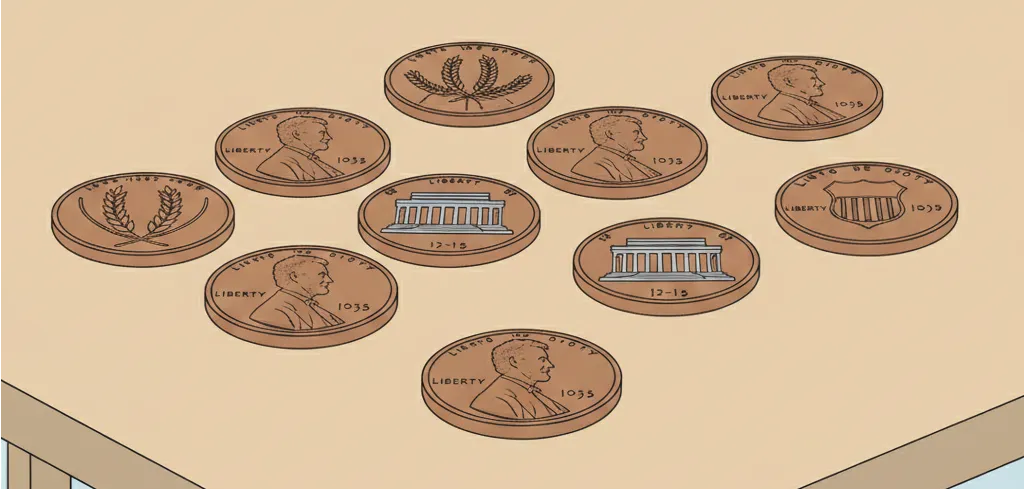
People call coins “key dates” when they were made in a very small number — this low number makes them rare, not depending on how good their condition is.
1909-S VDB
This is the first and most famous key date in the series, starting the entire collection.
Mintage: Only 484,000 of these coins were made. This is a very small number for a coin meant for everyone to use.
Markings
- 1909
- S
- VDB
Why it is Rare: The VDB initials were removed very quickly from the coin right after the making started. This happened because people thought the letters were too big. Therefore, coins having the VDB initials were made for only a short time.
How to Check: To check this coin, you must make sure the letter “S” is under the date. You must also see the very small but clear letters V.D.B. at the bottom of the reverse side.
Value: Even in very bad condition (very worn out), this coin costs several hundred dollars. In perfect condition, its price can reach tens of thousands of dollars.
1914-D
This is the second rarest coin in the Lincoln Cent series, proving a challenge to find.
Mintage: 1,193,000 coins were made. This is a little more than the 1909-S VDB, but still a very low number.
Markings
- 1914
- D
Why it is Rare: The Denver Mint in 1914 was busy making bigger coins. This focus on larger coins led to a very low production of pennies. Also, many coins made were quickly worn out when people used them.
How to Check: You need to check two things: the year “1914” and the clear presence of the “D” mark below the date. Coins not having a mint mark are not rare.
Special Points: Coins in very good condition are extremely rare. This is because the quality control at the mint was not very strict in 1914.
1931-S
This coin is the last of the three classic key dates, marking an important year.
Mintage: 866,000 coins were made.
Markings
- 1931
- S
Why it is Rare: The year 1931 was the time of the Great Depression in the US, causing economic problems. The need for new change coins was very low, leading to a sudden stop in production at the Mints, especially in San Francisco.
How to Check: You must check the year “1931” and the “S” mark below the date.
Semi-Key Dates
These coins have a higher mintage than the true key dates, but people still think they are rare and valuable, especially when they are in good condition. Their mintage is usually between 1 and 5 million pieces.
Almost all pennies made in San Francisco from 1909 to 1933 are valued. This is because of the low production amounts:
- 1910-S (Mintage: 6 million)
- 1911-S (Mintage: 4 million)
- 1912-S (Mintage: 4.04 million)
- 1913-S (Mintage: 6.1 million)
- 1915-S (Mintage: 6.05 million)
- 1924-D (Mintage: 2.5 million)
Special Points about Semi-Keys
- 1924-D: This is an important exception. Its mintage was low (2.5 million). It was often poorly made and quickly wore out when used, making coins in good condition very rare.
- Condition: For semi-key dates, the price strongly depends on the condition. Coins used in circulation cost only a little more than their face value. However, coins showing no use can cost hundreds or even thousands of dollars.
Varieties / Errors
These coins are not rare because of low mintage. They are rare because of a unique making mistake happening in a limited number of coins. These varieties often cost more than the true key dates, making them very valuable.
1955 Doubled Die Obverse (DDO)
There was a double pressing of the picture on the front side of the coin, the obverse on the stamp used for making the coin.
- How to Check: The mistake appears as a clear, visible double picture of all the letters and numbers of the date (“1955”) and the words “LIBERTY.” This is most noticeable on the number “5” and the words “IN GOD WE TRUST.” This is not a “shift in making,” but a “doubled die,” meaning the picture on the stamp itself was doubled.
1972 Doubled Die Obverse (DDO)
The double picture is thinner than on the 1955 coin, but still very clear.
It is clearly visible on the letters of the words “LIBERTY” and on the date “1972”
- Different from 1955 DDO: On the 1972 DDO, the doubling looks more flat.
1983 Doubled Die Reverse (DDR)
The double picture is on the words “ONE CENT” and “UNITED STATES OF AMERICA.”
- How to Check: You must look closely at the words on the reverse. The double picture is clearly seen.
Mistakes in Material
1943 Copper Cent
During World War II (1943), copper was needed for the military. The US government decided to make pennies not from copper, but from steel covered with zinc.
The Mistake: A very small number of copper blanks from 1942 stayed in the machine. In 1943, the date “1943” was mistakenly pressed onto them.
1944 Steel Cent
This is the opposite mistake, showing a mix-up in metal.
In 1944, the Mint went back to making coins from copper.
- The Mistake: A very small number of steel blanks from 1943 stayed in the machine. In 1944, the date “1944” was mistakenly pressed onto them.
The steel 1944 penny will stick to the magnet, but the copper one will not.
1969-S Doubled Die Obverse
Coins having this mistake were found in circulation.
However, the US government took back and destroyed most of them, saying they were fake. After careful checking, people confirmed the coins were true mistakes made by the Mint.
- How to Check: The double picture is clearly visible on the date and the words “LIBERTY.” This is one of the most valuable varieties. Checking it needs high accuracy, as there are many fake copies made by bad people.
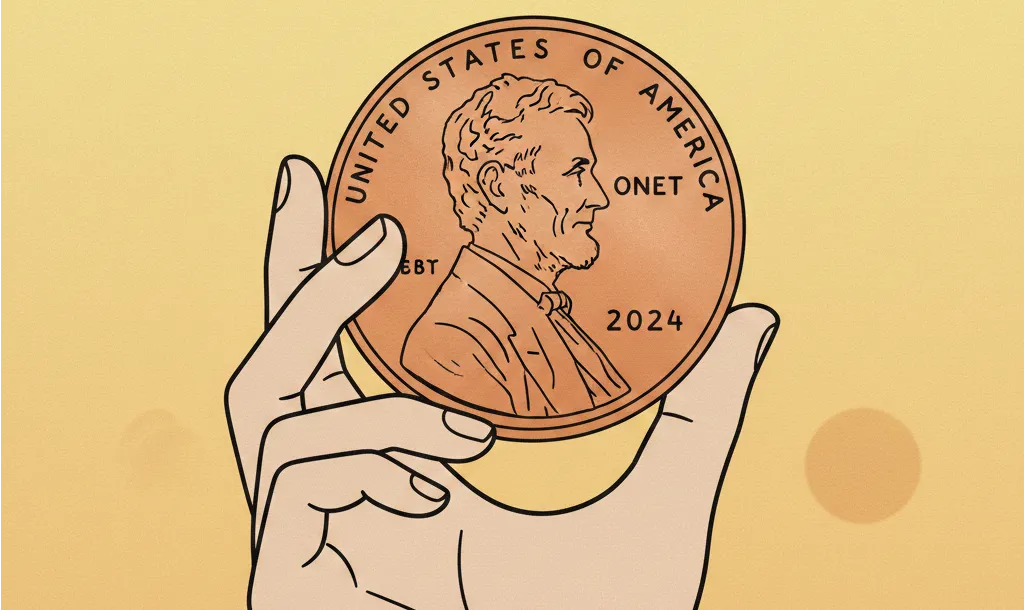
Checking Key Dates
The best free coin identifier app is a tool you must have for checking all these key coins and varieties.
For example, for the 1914-D coin, you must make sure the letter “D” is real, not fake.
- What to Look For: The microscope will show tool marks around the sign if it was added. A real “D” mark will look smooth and continuous with the coin’s surface.
While checking the 1909-S VDB:
- What to Look For: The initials V.D.B. must be clear and have the correct shape. Fake copies often have the wrong shape or show marks from being engraved by hand.
Checking the Condition
The coin’s grading is extremely important, deciding its price.
For key dates like the 1909-S VDB or 1914-D, it is important how well the high points of the picture are kept.
For example, Lincoln’s hair or the wheat ears on the reverse. The less wear it has, the higher the score and the price.
The coin appraisal app is needed for finding “hairline scratches” coming from cleaning. Having these scratches can lower the price of a key coin many times, as people will think it is “damaged.”
The color is very important for Lincoln pennies. Coins can be Red (RD), Red-Brown (Red-Brown – RB), or Brown (Brown – BN). The perfectly red color (RD), meaning no rust, is only found on coins not showing use. This color greatly increases their value. The microscope helps you check the surface condition exactly, proving the color’s purity.